08/23/2026
There are essentially two types of people that exist when it comes to the extreme ongoing harm to Jeffrey Epstein's victims by Jeffrey Epstein's treasonous child sex traffickers and their associates -- which include the 'leadership' of the U.S., U.K., European, and other world governments.
There are the people who advocate for transparency, support, and justice for Epstein's victims -- and then much more common -- there are those who seek more injustice and ongoing harm against victims by way of more emotional abuse, concealment, obstruction, harboring, misprision, victim stalking, intimidation, defamation, public and private humiliation, and whistleblower retaliation.
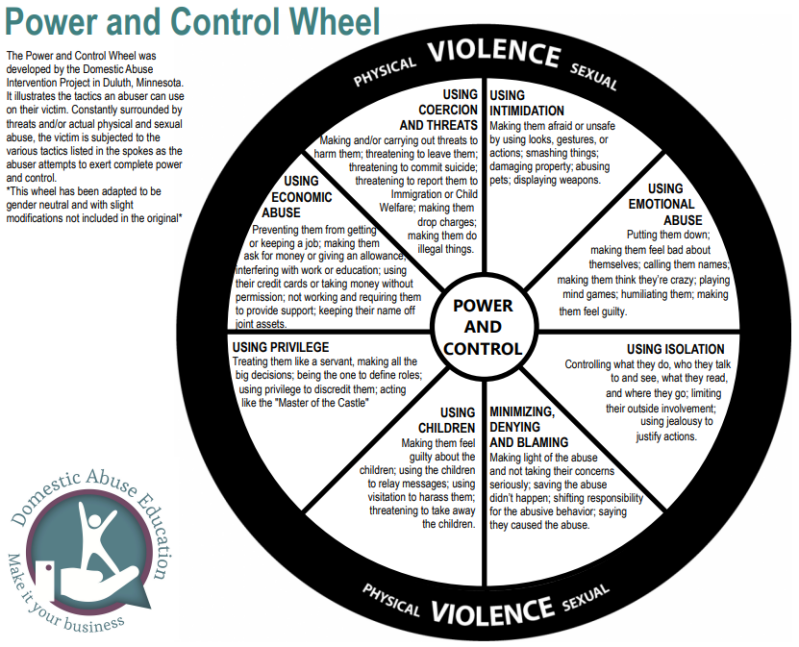
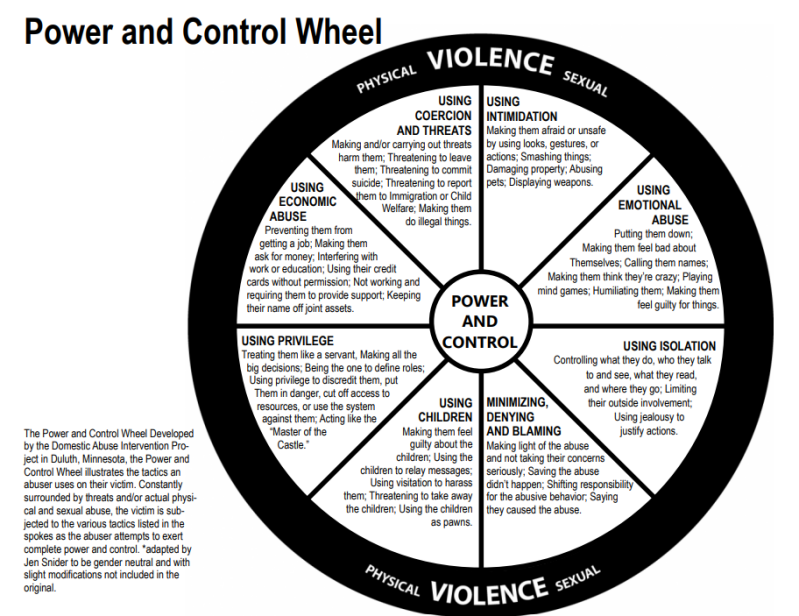
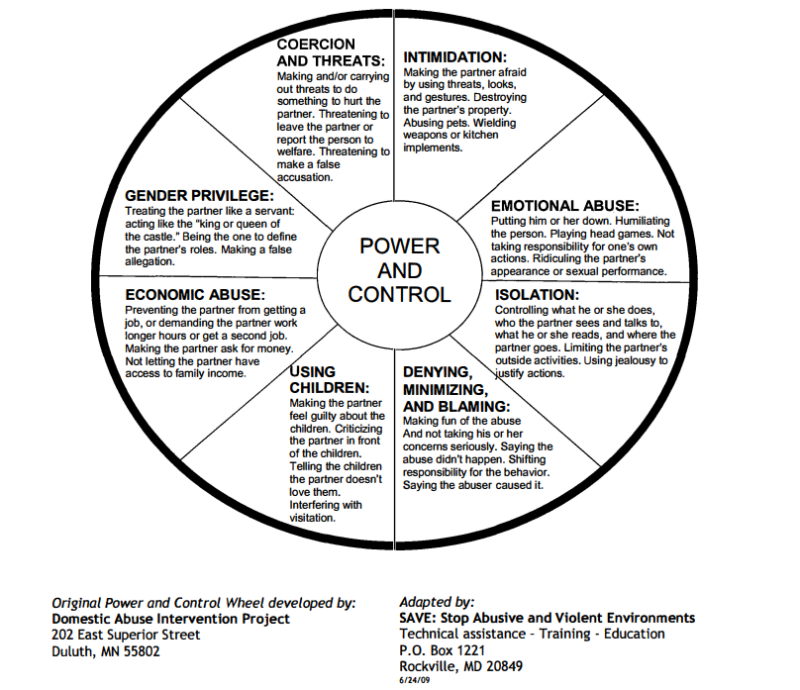
Below are what are known as the "control and power wheel(s)" of emotional abuse(rs), a type of checklist that victims can use to help them sort out the two types of people, in case they are being abused.
There are many versions of this and some are much more detailed than others -- most of them gender-discriminatory, focusing on men abusing women, surely the most common -- but sadly, these victim resources totally disregard that men and transgender people can be abused by men, women, and transgender people -- and so many of these well-intended victim support resources disregard harm to 2/3 or most gender types, in a manner that is naturally harmful by design to most other genders.
The same has been true for Epstein victim reporting and advocacy, where non-female victims of Epstein are largely underreported, totally ignored, minimized, disregarded, and/or totally abandoned, again harming half to most other genders also harmed by Jeffrey Epstein and his associates. Our Editor is a perfect example of the same.
And so below are some gender-neutral "control and power wheel" resources for victims of emotional abusers, one that recognizes women and trans people can and have been the emotional abusers of men, and every other combination of victim and violator gender combination, so that other victims of abuse other than women can find resources and support for their ongoing abuse here.
Just like breast cancer screening, women are not the only victims of breast cancer, nor emotional abuse, and so men and transgender people need the same level of care that women receive to elucidate and treat emotionally-a abusive harm.
These gender-neutral "power and control wheels of emotional abusers" include (1) financial abuse; (2) using coercion and threats of intimidation; (3) being emotionally abusive; (4) using social isolation; (5) minimizing and not believing abuse; (6) using children to facilitate abuse; and (7) using privilege.
For example, (1) convincing the abused to drop or not pursue criminal charges; (2) convincing them to not defend themselves in court or otherwise from abuse(rs); (3) discouraging others from pursuing criminal charges or investigations, coupled to and/or resulting in preventing the abused person from getting a job, making them ask for money, or putting them on an allowance; (4) making them feel afraid or unsafe by using looks, gestures, comments, or actions; (5) depriving them of emotional support when they need it the most; (6) putting them down, making them feel bad about themselves, including before, during, after, or in lieu of intimacy; (7) making them feel like they are crazy; (8) playing mind games; (9) humiliating them; (10) isolating them in communities, environments, and/or situations where they feel alone, without support, or feel unsafe; (11) controlling what they do, who they talk to, monitoring their communications and whereabouts with stalking technologies or otherwise; (12) making light of the abuse, ignoring and minimizing the abuse being reported, and advocating the abuse didn't happen; (13) using children as proxies to abuse by telling children lies or harmful stories and thus weaponizing children; (14) threatening to leave, abandon, and/or to take children away; (15) treating the abused person like an unpaid slave (especially in community property states), with promises of nebulous future access to finances; (16) controlling when and where the abused is allowed to leave; and (17) making all of the big decisions for the person being abused.
This is what an emotional abuser looks like and what emotional abuse looks like. Research also supports that people who come from emotionally-abusive families tend to look for emotionally-abusive partners, their norm.